- Talent
- Employers
- Resources




Rad Tech Careers
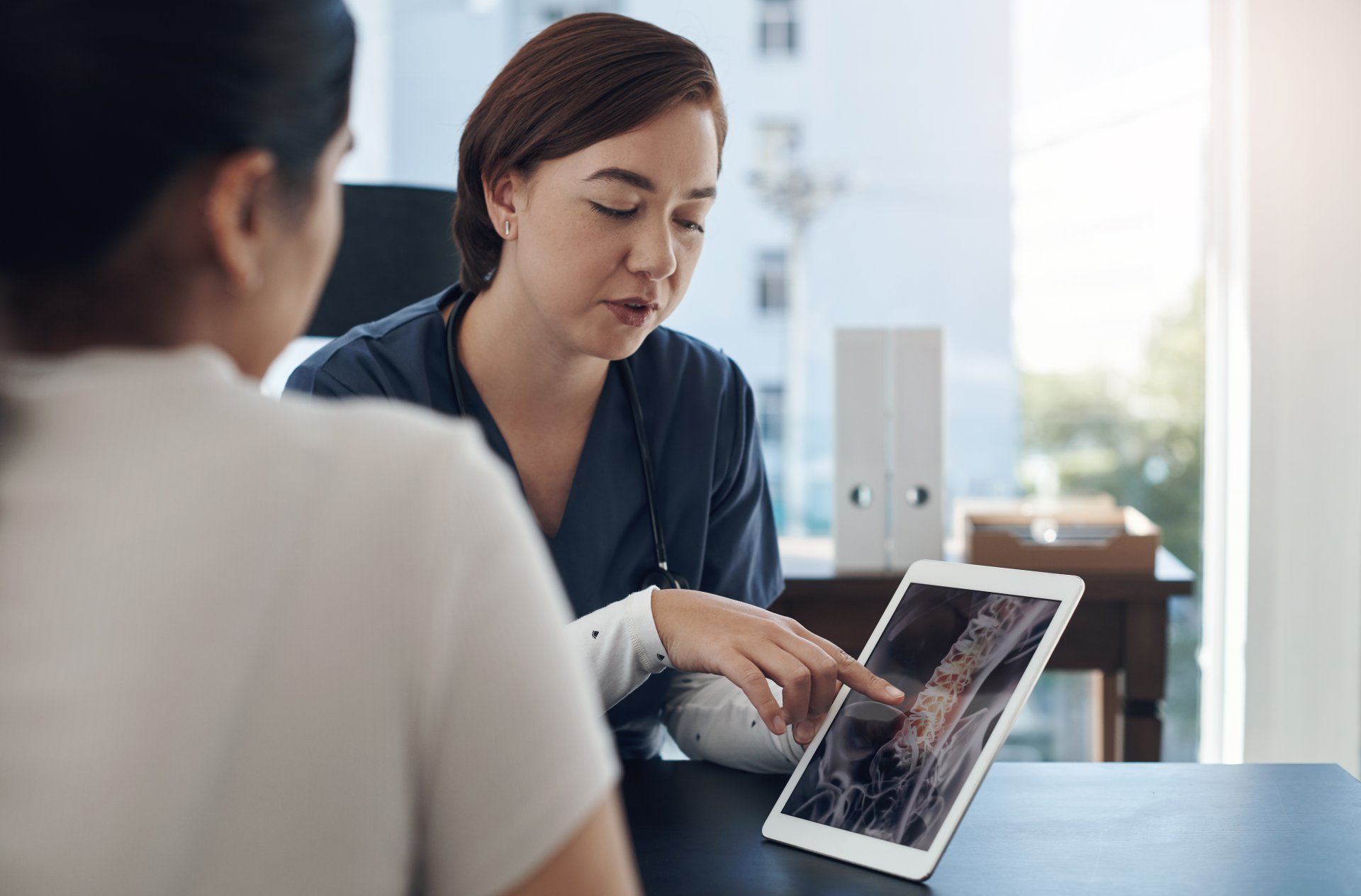
By using X-rays, a radiologic technologist (rad tech) can help with the diagnosis and treatment of medical conditions. Typically, they specialize in using certain machines and treating specific areas of the body. They create images that doctors can then use to diagnose illnesses.
Scope of practice
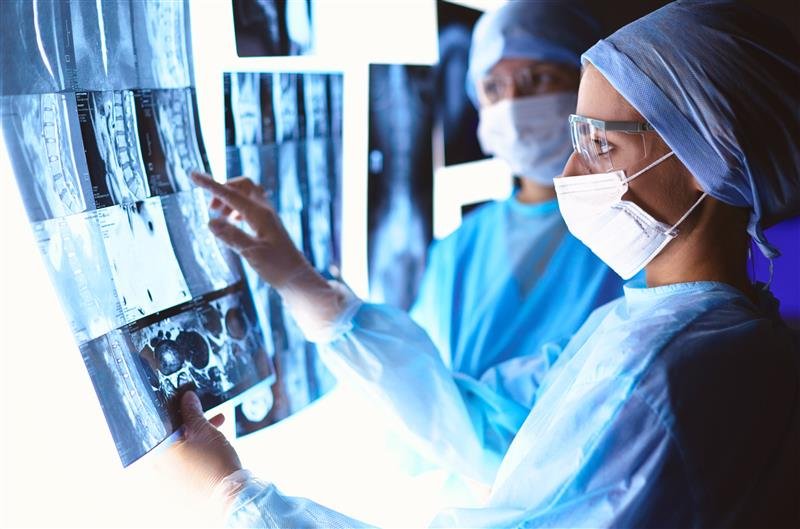
Rad techs work closely with doctors, nurses, and other care team members. They provide services that include:
- Assessing and testing patients
- Helping patients understand the imaging procedures
- Keeping patients safe and comfortable during the procedures
- Positioning patients
- Performing tests while following all safety protocols
- Performing mammograms, MRIs, or X-ray exams
- Administering radiation to cancer patients
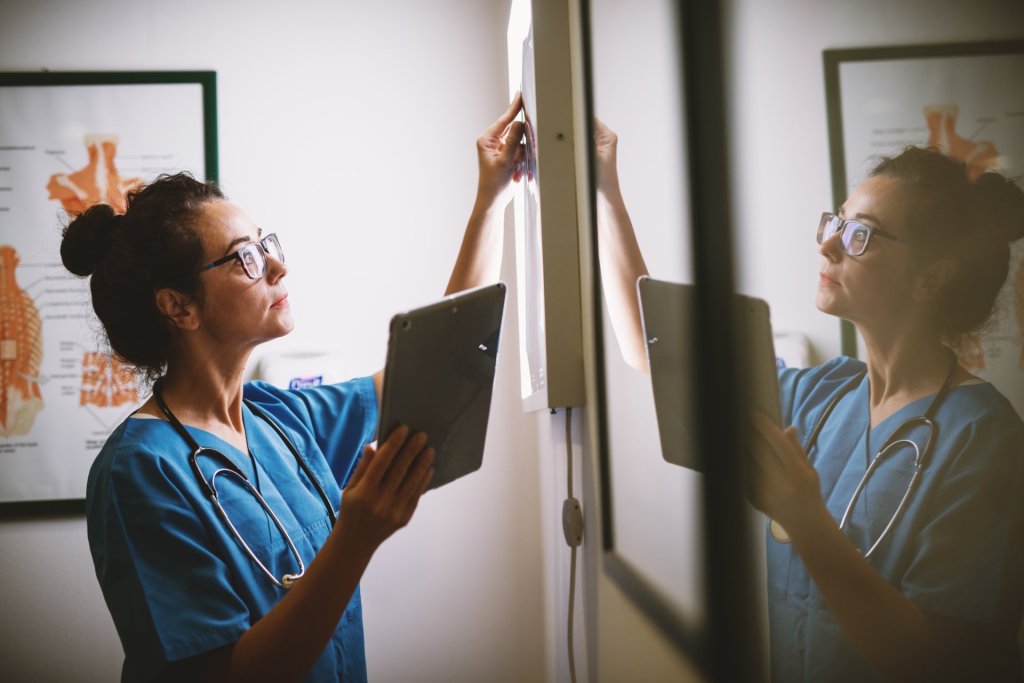
They must know how to operate all of the specialized imaging machinery and help physicians interpret the results. Rad techs work in hospitals, doctor’s offices, medical labs, and outpatient centers.

Required education and training
You will need to have a high school diploma or its equivalent, and then apply to an accredited radiography program. You can find them in vocational schools and community colleges, as well as in some hospitals. If you’ve already obtained your associate degree, you can get certification from an accredited program.
Once you complete the program, you’ll have to pass the certification exam given by the American Registry of Radiologic Technologists. Depending on the state in which you want to work, you may also need to get a license.
Rad tech salary and benefits
Radiologic technology is a growing field. Keep in mind that your salary will depend greatly on the state where you live as well as on the education and training you’ve received.
When you work with Prolink to find allied health jobs, you can receive further benefits. We provide paid time off, life and health insurance, retirement planning, referral bonuses, and in some cases continuing education.
Rad Tech FAQs
Yes. This is often an excellent idea since it can make you more attractive to employers and earn you a more substantial salary. Some of the most popular specializations include bone densitometry, nuclear medicine, mammography, and cardiac-interventional radiography.
When patients get tests or treatment, they may be scared or anxious. You must be able to put them at ease and keep them comfortable throughout the process, which requires empathy and understanding.
You must also communicate difficult medical concepts in ways that patients can understand. Being a good communicator includes being able to work effectively with other healthcare providers, as well. You must also possess an eye for detail and excellent organizational skills, especially at a busy hospital.
You may choose to work administering radiation therapy to cancer patients in oncology units, but you can also opt to focus on diagnostic imaging.
Start your local rad tech career with Prolink
Discover the world of opportunities awaiting you!
Complete the form to take the first step towards a fulfilling career.
When you partner with Prolink, you receive an industry-leading benefits package:
- Day-one health insurance and 401(k)
- Dental and vision coverage
- Short- and long-term disability
- Life insurance
- Exclusive perks and discounts