



Whether you're interested in a local or travel allied health job, having the right certifications is something you can’t skip. Getting certified is one of the most reliable ways to grow your career and prove your value. It’s also a way to keep learning and stay confident in a fast-paced field like healthcare.
If you’re trying to figure out which certifications actually matter for top allied health jobs, this guide breaks down what you need for each role, how to qualify, how long to study, and what to expect on the exam.
Jump to:
- Registered Respiratory Therapist (RRT)
- Certified Surgical Technologist (CST)
- Registered Radiologic Technologist (RTR-RTCT-RTm-etc)
- Certified Medical Laboratory Scientist (MLS ASCP)
- Certified Occupational Therapy Assistant (COTA)
- Certified Cardiographic Technician (CCT)
- Registered Diagnostic Medical Sonographer (RDMS)
- Certified Pharmacy Technician (CPhT)
The challenge is figuring out which certifications actually matter. With so many options out there, it’s not always clear what's required for a certain job or career path. We’ve pulled together some of the top allied health roles and the certifications that can help you get started and grow in each one.
Registered Respiratory Therapist (RRT)
The RRT certification is the next step for anyone already working in respiratory care who wants to move up. It shows advanced clinical skills and readiness for more complex cases. Many hospitals look for it when hiring for senior or specialized roles in critical care or pulmonary rehab.
Administered by: National Board for Respiratory Care (NBRC)
Requirement: Certified Respiratory Therapist (CRT) credential
What you need to know
- You must hold a current CRT before applying for the RRT exam.
- The test includes two parts: a written exam and a clinical simulation.
- Most people spend two to three months studying with NBRC practice materials.
- You can retake either part if you don’t pass, but there’s a waiting period and fee.
- The credential is valid for five years and requires continuing education to renew.
- Some employers offer reimbursement for the exam fee or prep resources.
Certified Surgical Technologist (CST)
The CST is the certification most hospitals expect surgical technologists to have. It shows you meet national standards for safety, precision, and professionalism in the operating room and can open doors to higher-paying or specialized roles.
Administered by: National Board of Surgical Technology and Surgical Assisting (NBSTSA)
Requirement: Completion of an accredited surgical technology program
What you need to know
- You must graduate from an accredited surgical technology program before taking the exam.
- Most people prepare for two to three months using NBSTSA study guides or online courses.
- If you don’t pass, you can retake the exam after a waiting period.
- Certification is valid for four years and requires ongoing continuing education to renew.
- Some hospitals cover exam or renewal fees for certified surgical staff.
Registered Radiologic Technologist (RT[R], RT[CT], RT[M], etc.)
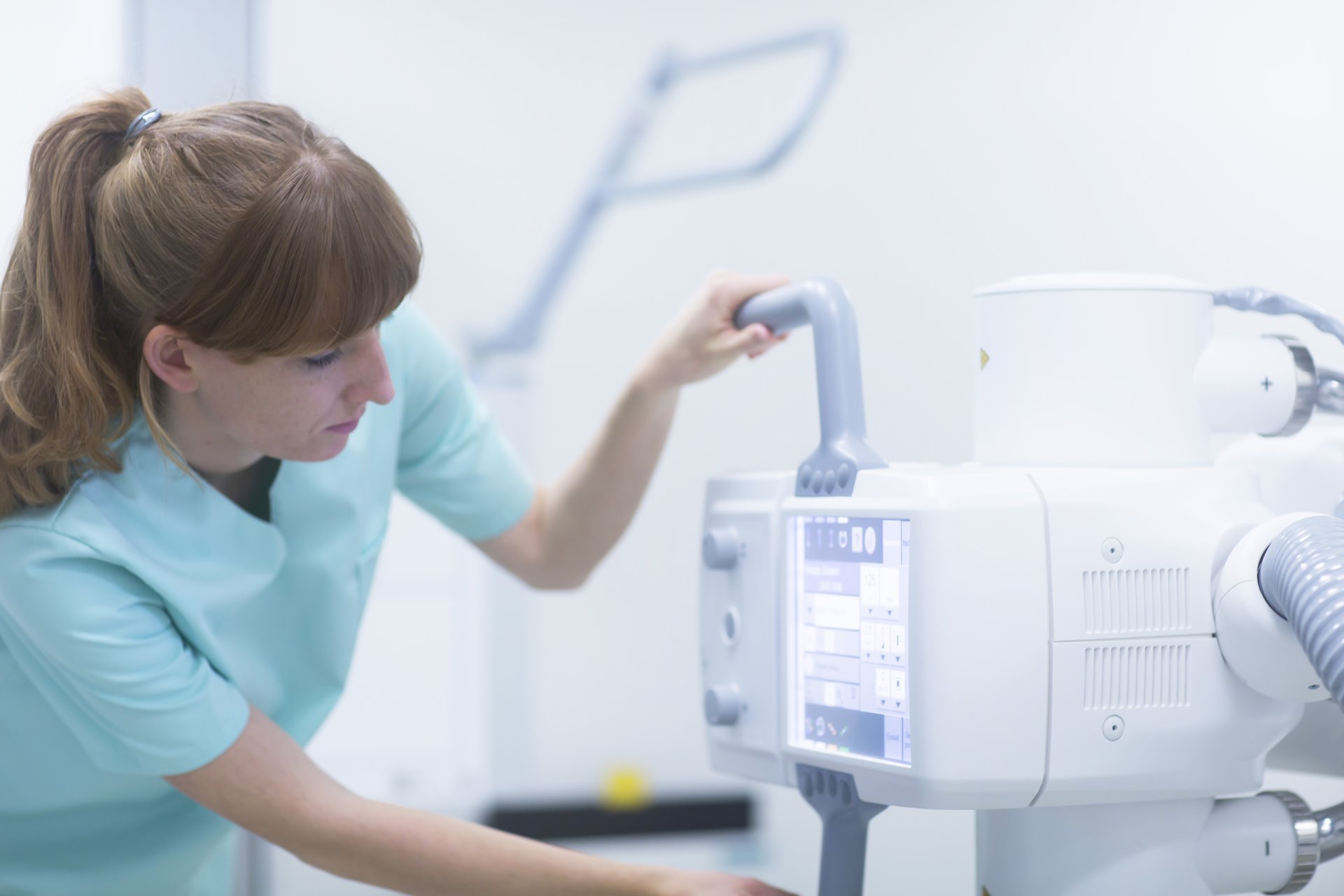
ARRT certification is the foundation for anyone in radiologic technology. It confirms your ability to operate imaging equipment safely, protect patients from radiation exposure, and produce high-quality diagnostic images.
Administered by: American Registry of Radiologic Technologists (ARRT)
Requirement: Completion of an accredited radiography program
What you need to know
- You’ll complete an accredited program before applying for the ARRT exam.
- Most candidates study for one to two months before testing.
- The exam includes ethics, safety, image production, and patient care components.
- You can add advanced specialties like CT, MRI, or Mammography once you’re certified.
- Certification must be renewed every two years with continuing education credits.
- ARRT credentials are recognized nationwide and often required for hospital imaging roles.
Certified Medical Laboratory Scientist (MLS [ASCP])
The MLS (ASCP) certification is a must for anyone who wants to advance in laboratory science. It demonstrates deep knowledge of chemistry, microbiology, and hematology and confirms you can perform complex diagnostic testing accurately and safely.
Administered by: American Society for Clinical Pathology (ASCP)
Requirement: Bachelor’s degree in medical laboratory science or a related field
What you need to know
You’ll need a bachelor’s degree and clinical lab experience to qualify.
- Most people prepare for about two to three months using ASCP review courses.
- The exam covers multiple disciplines including microbiology, blood banking, and chemistry.
- You can retake the test after a 90-day waiting period if you don’t pass.
- Certification must be renewed every three years with continuing education credits.
- Some employers offer incentives or pay increases for certified lab staff.
Certified Occupational Therapy Assistant (COTA)
The COTA credential is required to practice as an occupational therapy assistant in most states. It confirms you have the skills and knowledge to support patients in regaining independence and improving their quality of life.
Administered by: National Board for Certification in Occupational Therapy (NBCOT)
Requirement: Completion of an accredited occupational therapy assistant program
What you need to know
- You must complete an accredited OTA program before sitting for the NBCOT exam.
- Most candidates spend six to eight weeks studying, often using the NBCOT study pack.
- The exam includes multiple-choice and clinical scenario questions.
- If you don’t pass, you can retake it after 45 days.
- Once certified, you’ll need to renew every three years through continuing education.
- Some states have separate licensing steps in addition to the NBCOT credential.
Certified Cardiographic Technician (CCT)
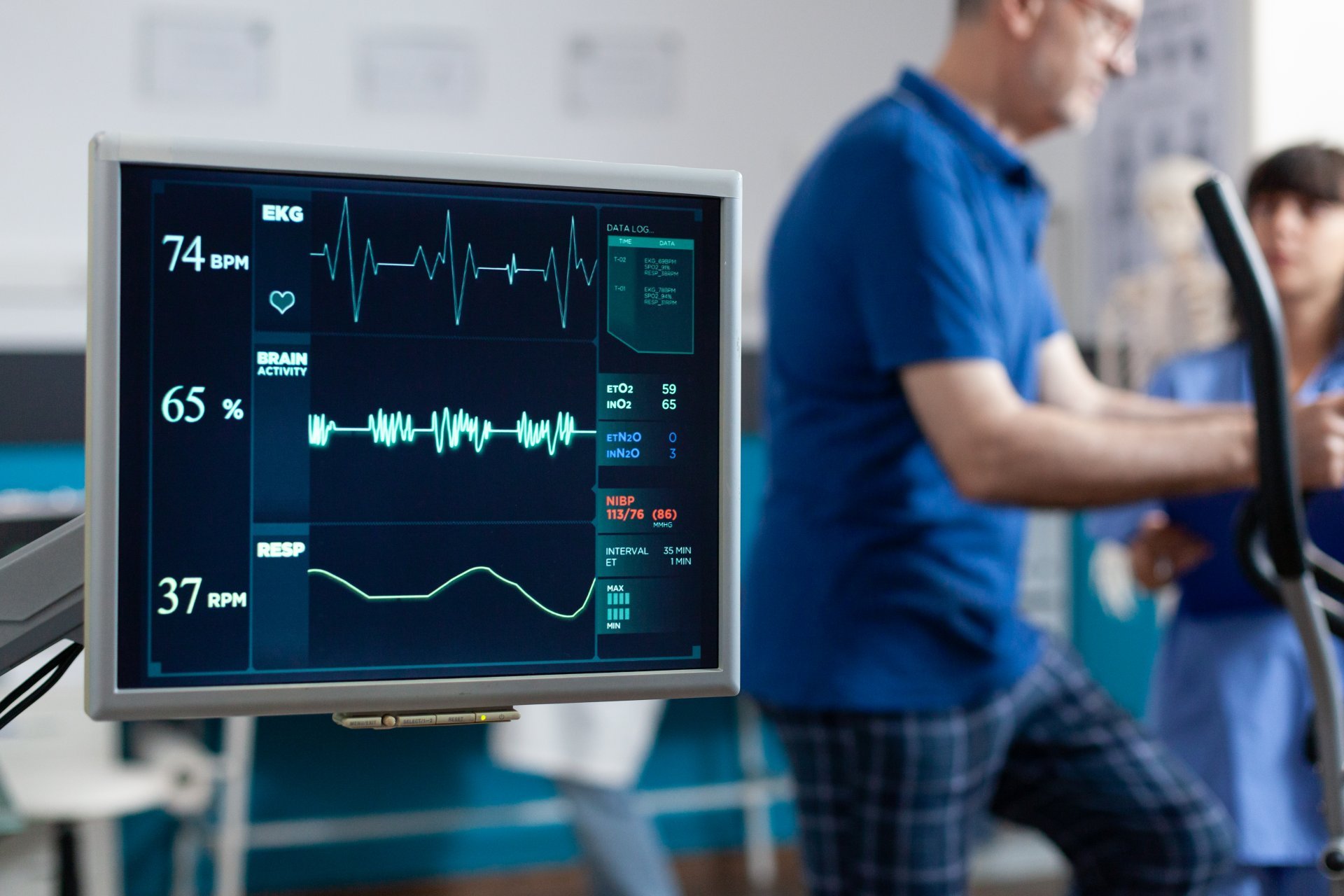
The CCT credential is ideal for those interested in heart and vascular testing. It shows you’re trained to perform and interpret EKGs, stress tests, and other cardiac monitoring procedures accurately.
Administered by: Cardiovascular Credentialing International (CCI)
Requirement: High school diploma and clinical experience or completion of a CCT program
What you need to know
- You’ll need at least six months of clinical experience or formal training before testing.
- Most candidates prepare for about one to two months using CCI practice exams.
- The exam includes anatomy, electrophysiology, and safety protocols.
- You can retake it after 45 days if you don’t pass.
- Certification renewal is every three years and requires continuing education.
- This credential can be a stepping stone to more advanced roles, such as invasive cardiac specialist.
Registered Diagnostic Medical Sonographer (RDMS)
The RDMS is one of the most respected imaging credentials and is key for sonographers who want to work in hospitals, imaging centers, or specialty practices. It confirms expertise in anatomy, patient care, and ultrasound physics.
Administered by: American Registry for Diagnostic Medical Sonography (ARDMS)
Requirement: Completion of an accredited sonography program
What you need to know
- You’ll need formal education in diagnostic medical sonography before applying.
- The exam includes two parts: a general physics test and a specialty area such as OB/GYN or abdomen.
- Most people study for three to four months using ARDMS review guides.
- You can retake either portion if you don’t pass, though there’s a fee each time.
- Certification renewal is every year, with continuing education required to stay current.
- Hospitals and imaging centers often require or strongly prefer this credential for sonography positions.
Certified Pharmacy Technician (CPhT)
The CPhT credential helps pharmacy technicians stand out in both hospital and retail settings. It confirms you understand medication safety, accurate dosage calculation, and federal pharmacy laws.
Administered by: Pharmacy Technician Certification Board (PTCB) or National Healthcareer Association (NHA)
Requirement: High school diploma and pharmacy technician training
What you need to know
- You must complete a pharmacy technician training program or have equivalent experience.
- The exam covers pharmacy law, calculations, and medication safety.
- Most candidates prepare for six to eight weeks using official PTCB or NHA materials.
- You can retake the exam after 60 days if needed.
- Certification renewal is required every two years with continuing education.
Choosing the right path on your allied health journey
Before you pursue a certification, think about where you want your career to grow. Are you drawn to patient interaction, or do you prefer working with technology or data?
A few things to consider
- Your long-term goals. What kind of work will make you feel fulfilled?
- Requirements. Each certification has its own education and experience needs.
- Support. Some employers offer tuition assistance or pay increases for certified staff.
- Time and cost. A clear plan can make earning your certification easier and less stressful.
Talking with mentors or colleagues who have taken the next step can also help you decide which credential fits best with your goals.
How to prepare for your allied health certification
Once you’ve chosen your path, set yourself up for success.
- Research what’s required and gather any needed documentation.
- Enroll in an accredited training or review program.
- Use official study materials and practice exams.
- Schedule your exam with enough time to study comfortably.
- Keep learning even after you’re certified.
- Earning a certification takes effort, but it’s a strong investment in your career and your confidence.
Pursuing your next allied health role
Allied health professionals keep healthcare running. They’re the ones showing up for patients every day, bringing skill, empathy, and steady hands to every test, image, and procedure. The right certification helps you keep growing in that work. It opens doors, builds your confidence, and reminds you that your career is worth investing in. No matter where you want to go next, getting certified is one of the best ways to build a stronger future for yourself and the people you care for.
If you're an allied health professional looking for a new position, Prolink has high-paying local and travel jobs at top facilities across the country. We get to know your needs, goals, and experience to find the perfect allied job for you. Take a look at our allied health openings now or click below to connect with a recruiter.