



Pediatric nursing stretches you in the best possible ways. You learn to assess a patient who cannot always explain what hurts. You learn to earn trust in seconds. You learn that excellent care sometimes means managing drips and ventilators, and other times it means turning a blood pressure cuff into a “robot hug” so a frightened child will sit still.
This is a career built on clinical precision, emotional intelligence, and creativity. Because children receive care in so many different settings, pediatric nursing also offers a wide range of specialties. Whether you want fast-paced critical care, long-term patient relationships, or independent home-based work, there is a path that fits.
The salary and job outlook remain favorable for those considering a career in pediatric nursing. According to the U.S. Bureau of Labor Statistics, the median annual salary for RNs in May 2023 was approximately $86,070. Employment is projected to grow 6 percent from 2022 to 2032, faster than the average for all occupations. This steady demand reflects both workforce needs and the ongoing importance of pediatric care.
Below are several pediatric nursing paths, explored in a way that helps you picture what the work truly feels like and how you might grow into each role. Read on to learn more about what each role entails, what it feels like in real life, how to qualify for the position and meet its requirements, the potential career path within that specialty, and the estimated salary for each role.
Pediatric medical-surgical nurse
Pediatric medical-surgical nurses care for hospitalized children recovering from surgery, infections, injuries, or complications from chronic conditions. One room might hold a teenager recovering from orthopedic surgery. Another might be a toddler with pneumonia who finally starts breathing easier. The variety is constant, and so is the need for careful assessment.
How to become one and what it takes
The journey begins with earning an Associate Degree in Nursing (ADN) or Bachelor of Science in Nursing (BSN) and passing the National Council Licensure Examination for Nurses (NCLEX-RN) to become a registered nurse. Many new graduates enter pediatric med-surg units through structured nurse residency programs. Success in this role requires strong assessment skills, time management, and the ability to educate families clearly and calmly. Much of your day is spent explaining medications, discharge instructions, and warning signs to parents who may feel overwhelmed.
Work environment
Pediatric medical-surgical nurses work in hospital inpatient units. These floors care for children recovering from surgery, infections, injuries, or acute exacerbations of chronic illnesses. The environment is structured but busy, with multiple patients assigned per shift. Nurses collaborate closely with physicians, respiratory therapists, physical therapists, and case managers. Shifts are typically 12 hours and may include nights, weekends, and holidays.
Career path
Medical-surgical pediatrics often serves as a foundation. After gaining experience, many nurses move into specialty units such as PICU, emergency care, or oncology. Others step into charge nurse positions, become preceptors for new nurses, or pursue graduate education to become pediatric nurse practitioners.
Estimated salary: $97,733
Pediatric intensive care unit (PICU) nurse
In the PICU, the environment is intense and focused. Monitors track heart rhythms and oxygen levels. Infusion pumps deliver precise medications. Children in this unit may be recovering from complex surgery, managing organ failure, or fighting severe infections. Families look to the care team for reassurance and clarity during deeply stressful moments.
How to become one and what it takes
Nurses typically gain experience as registered nurses before transitioning into pediatric critical care. Some start in med-surg, while others enter directly into ICU residency programs. Specialized training in ventilator management, hemodynamic monitoring, and advanced life support is required. Emotional resilience is just as important as clinical skill. PICU nurses must remain calm under pressure while supporting families through uncertainty.
Work environment
PICU nurses work in specialized hospital intensive care units equipped with advanced monitoring systems, ventilators, infusion pumps, and life-support equipment. The setting is high-acuity and fast-paced, with a lower nurse-to-patient ratio, often one or two patients per nurse. The atmosphere requires constant vigilance and teamwork. Shifts are usually 12 hours and can be emotionally intense.
Career path
Experience in the PICU can lead to roles in pediatric transport teams, flight nursing, rapid response teams, or acute care pediatric nurse practitioner programs. Many also move into leadership or educator positions within critical care.
Estimated salary: $117,071
Find your place in pediatric care
From critical care to home health, discover roles where your skills and heart can make a lasting impact.
Neonatal intensive care unit (NICU) nurse
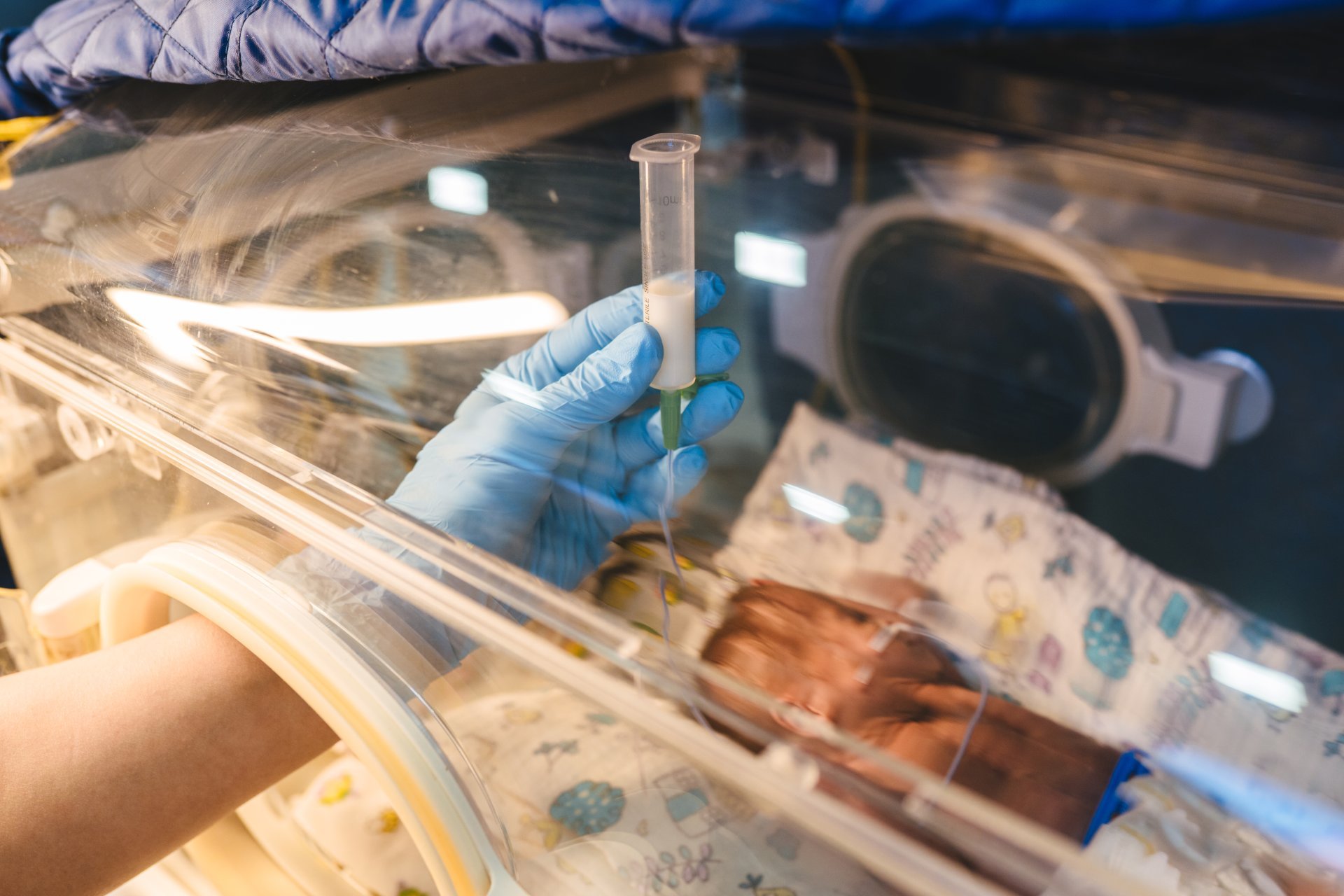
NICU nurses care for premature and medically fragile newborns. These infants may require respiratory support, feeding assistance, or close monitoring for developmental stability. The environment demands both precision and gentleness. Every medication dose is calculated carefully. Every touch is intentional.
How to become one and what it takes
After becoming an RN, nurses pursue specialized orientation in neonatal care. Many complete additional certifications focused on neonatal nursing. Thriving in this specialty requires patience, attention to detail, and the ability to support parents navigating fear, guilt, and uncertainty.
Work environment
NICU nurses work in hospital neonatal intensive care units designed specifically for premature and critically ill newborns. The environment is highly controlled, with specialized incubators, respiratory equipment, and monitoring systems. Lighting and noise are often adjusted to support infant development. The pace can vary from calm to urgent depending on patient stability. Shifts are typically 12 hours.
Career path
NICU nurses often advance into neonatal nurse practitioner roles, developmental follow-up programs, lactation consulting, or neonatal transport services.
Estimated salary: $107,561
Pediatric emergency room (ER) nurse
Pediatric emergency nurses work in fast-moving environments where quick thinking is essential. Patients arrive with broken bones, high fevers, asthma attacks, or traumatic injuries. The pace is unpredictable, and triage skills are critical.
How to become one and what it takes
Registered nurses enter pediatric emergency roles after gaining clinical experience and completing certifications such as Pediatric Advanced Life Support. The ability to prioritize, remain composed, and communicate clearly with anxious families is vital.
Work environment
Pediatric ER nurses work in hospital emergency departments or dedicated pediatric emergency centers. The setting is unpredictable and fast-moving. Patients arrive without appointments and often in distress. The environment includes triage stations, trauma bays, and rapid assessment rooms. Collaboration is constant, and decisions must be made quickly. Shifts include nights, weekends, and holidays.
Career path
Many pediatric ER nurses move into trauma coordination, disaster response roles, or emergency nurse practitioner programs.
Estimated salary: $86,448
Pediatric oncology nurse
Pediatric oncology nurses care for children undergoing cancer treatment. They administer chemotherapy, manage side effects, monitor lab values, and provide extensive emotional support. The work is complex and deeply relational.
How to become one and what it takes
After becoming an RN, nurses gain experience in pediatric inpatient or specialty units before moving into oncology. Additional oncology training and certification strengthen expertise. Compassion, stamina, and emotional intelligence are essential, as families often remain in treatment for extended periods.
Work environment
Pediatric oncology nurses work in hospital oncology units, outpatient infusion centers, or specialty cancer clinics. Inpatient units may involve longer hospital stays, while outpatient settings focus on chemotherapy and follow-up care. The environment emphasizes both clinical precision and emotional support. Nurses often build long-term relationships with patients and families.
Career path
Oncology nurses may move into clinical research, clinical trials coordination, palliative care, or advanced practice roles in hematology and oncology.
Estimated salary: $90,249
Pediatric home health nurse
Pediatric home health nurses care for children with chronic or complex medical conditions in their homes. Patients may require ventilators, feeding tubes, or ongoing medication management. The setting allows for focused, individualized care.
How to become one and what it takes
Registered nurses typically gain pediatric or acute care experience before transitioning into home health. The role requires strong independent decision-making skills and comfort managing medical technology outside a hospital setting.

Work environment
Pediatric home health nurses work in patients’ homes rather than hospitals. They may care for one child per shift, often for extended hours. The environment is more independent, with less immediate access to a large clinical team. Nurses manage ventilators, feeding tubes, or medication regimens while also educating and supporting family caregivers. Schedules may be more flexible compared to hospital settings.
Career path
Many move into case management, care coordination leadership, or quality and compliance roles within home health organizations.
Estimated salary: $73,562
Pediatric nurse practitioner: Primary vs. acute care
For nurses who want more autonomy, pediatric nurse practitioner roles offer advanced responsibilities in diagnosis and treatment.
Primary care pediatric nurse practitioner
These providers focus on wellness visits, developmental monitoring, immunizations, and management of common acute and chronic conditions.
How to become one and what it takes
After earning a BSN and gaining pediatric RN experience, nurses complete a Master of Science in Nursing or Doctor of Nursing Practice program. Certification as a pediatric nurse practitioner is required. Strong clinical judgment and communication skills are central to success.
Work environment
Primary care pediatric nurse practitioners work in outpatient pediatric clinics, community health centers, school-based health clinics, or private practices. The setting is structured and appointment-based. The focus is preventive care, routine exams, and managing common illnesses. Work hours are typically weekday business hours, with limited weekends.
Career path
Work settings include pediatric clinics, community health centers, and school-based health programs.
Estimated salary: $150,934
Acute care pediatric nurse practitioner
Acute care PNPs manage children with serious or complex medical conditions in hospital settings. They assess patients, order tests, prescribe medications, and collaborate closely with physicians.
How to become one and what it takes
Nurses usually gain experience in high-acuity pediatric settings before pursuing graduate education in acute care pediatrics. Certification and ongoing clinical competency are required.
Work environment
Acute care pediatric nurse practitioners work in hospitals, including PICUs, specialty units, or surgical services. The environment mirrors that of critical care nursing but includes greater diagnostic and prescriptive authority. They collaborate closely with physicians and multidisciplinary teams. Schedules may include rotating shifts depending on hospital structure.
Career path
Many work in PICUs, specialty hospital units, or surgical services and may eventually move into hospital leadership or academic roles.
Estimated salary: $150,934
Take the next step in nursing with confidence
Pediatric nursing is a career that evolves with you. You might begin in a medical-surgical unit, discover a passion for critical care, transition into home health, or pursue advanced practice as a pediatric nurse practitioner. Every path offers the opportunity to make a meaningful difference in the lives of children and families.
The key is finding the right environment, the right team, and the right support system to help you grow.
That is where Prolink can help.
We understand that pediatric nurses are not one-size-fits-all. Whether you are looking for flexibility, higher acuity experience, leadership opportunities, or a better work-life balance, our team partners with you to align your skills and goals with the right opportunity. We work with top healthcare organizations nationwide and provide transparent communication, competitive compensation, and dedicated support throughout your career journey.
Your expertise matters. Your growth matters. And the impact you make matters. Let us help you find the pediatric role where you can thrive.