


When people talk about “in-demand” nursing specialties, they usually focus on shortages, patient acuity, or staffing gaps. But there’s another reason some specialties stay in demand year after year: nurses who choose them are more likely to stay.
Certain nursing specialties continue to see steady demand due to higher retention among nurses in these roles.
Jump to a specialty:
In 2026, the specialties below continue to be in high demand not just because hospitals need them, but because they tend to offer a better mix of job satisfaction, pay potential, flexibility, and long-term sustainability. That’s why the specialties below continue to stand out in 2026: they combine real demand with real job satisfaction.
Here’s how those factors come together in real life.
Emergency Department (ED)
ED nursing isn’t for everyone, but for nurses who like it, it really works.
What the job actually feels like
The pace is fast, the work is unpredictable, and the shift flies by. You’re constantly assessing, prioritizing, and problem-solving. Many ED nurses say they like that they don’t carry the same patient assignment for days on end.
Why nurses tend to stay
The work moves quickly. Shifts rarely feel repetitive. You solve problems, stabilize patients, and move on. Many ED nurses say the pace keeps them engaged and helps the time pass faster.
- The variety keeps things interesting
- Strong teamwork is common in well-run EDs
- You see the immediate impact of your work
- Pay is often competitive, especially with night and weekend differentials
- Schedule flexibility is common, but predictability can vary
- Burnout is real, but often tied more to staffing and leadership than the work itself
Travel & hybrid options
- ED is one of the most travel-friendly specialties
- Many nurses move between local staff roles and travel contracts over time
- Hybrid paths are common: travel early, settle locally later
Why demand stays high
High patient volume and burnout keep openings steady, but experienced ED nurses are always in demand.
ICU / Critical Care
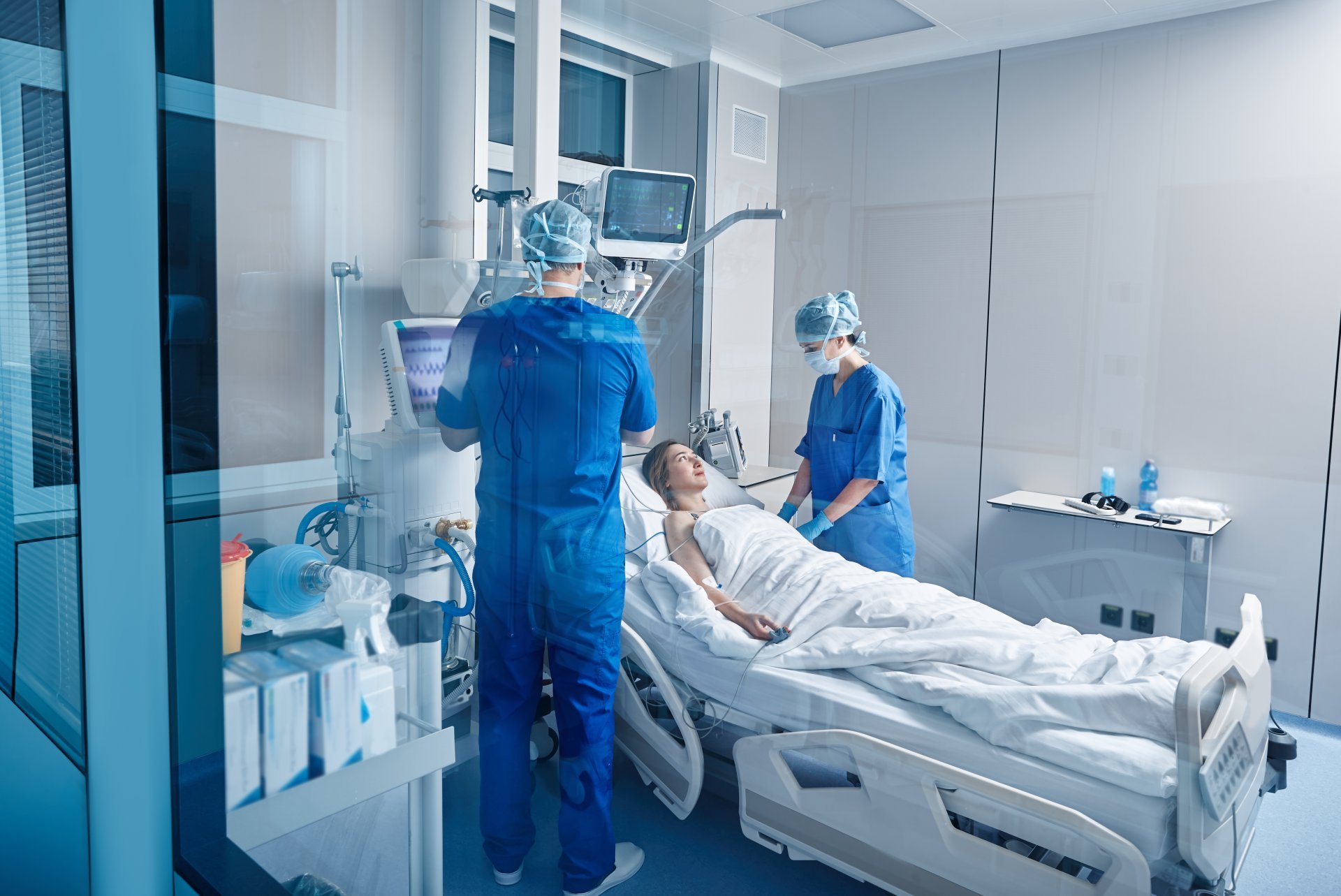
ICU nursing is intense, but for many nurses, it’s deeply rewarding.
What the job actually feels like
You’re caring for fewer patients, but at a much higher level. The work is focused, detailed, and mentally demanding. ICU nurses often talk about the satisfaction of truly knowing their patients and advocating for them in critical moments.
Why nurses tend to stay
- Strong sense of purpose
- High level of clinical autonomy
- Pride in mastering complex skills
- Higher pay potential, especially with experience
- Emotionally and mentally taxing, but often with strong professional respect
- Clear pathways into leadership, education, or advanced roles
Travel & hybrid options
- ICU is one of the most in-demand travel specialties
- Many nurses use ICU experience to travel for a few years, then transition into leadership, education, or specialty units locally
- Hybrid paths are common depending on life stage
Why demand stays high
Higher-acuity patients and specialized skills make ICU nurses hard to replace, especially those with solid experience.
Find a Role That Fits Your Life
Whether you want flexibility, stability, or something in between, there are options worth exploring.
Operating Room (OR)
OR nursing often appeals to nurses who want structure and focus.
What the job actually feels like
The OR is controlled and procedural. You’re part of a tight-knit team, and the work is precise and planned. Many nurses appreciate stepping away from traditional bedside care and constant multitasking.
Why nurses tend to stay
- Predictable workflows
- Lower patient ratios
- Less emotional fatigue compared to some bedside roles
- Pay grows steadily with experience
- Schedules are often more predictable
- Physical demands exist, but emotional burnout tends to be lower than bedside care
Travel & hybrid options
- OR travel roles exist but usually require solid experience
- Many nurses go local for stability, then travel selectively
- Hybrid approaches work well once you’re fully trained
Why demand stays high
Training takes time, and surgical volume isn’t slowing down, which keeps experienced OR nurses consistently in demand.
Hospice and Palliative Care

Hospice is often mentioned by nurses who say they genuinely enjoy their work.
What the job actually feels like
The pace is slower, but the work is emotionally meaningful. You’re focused on comfort, dignity, and supporting both patients and families during difficult moments.
Why nurses tend to stay
- Strong patient relationships
- Clear sense of purpose
- Less task-driven pressure than acute care
- Pay is steady, though not always the highest
- Emotional load is real, but often more manageable than acute care
- Schedules can be more predictable
Travel & hybrid options
- Travel roles exist but are less common
- Most nurses prefer local or regional roles for continuity
- Hybrid schedules can offer flexibility without constant change
Why demand stays high
An aging population and growing focus on quality-of-life care continue to drive need, and nurses who find hospice often stay long term.
Home Health
Home health is popular among nurses seeking autonomy and balance.
What the job actually feels like
You manage your own schedule, work one-on-one with patients, and spend less time in high-noise, high-pressure environments. Many nurses say it feels more sustainable long term.
Why nurses tend to stay
- Greater independence
- Flexible scheduling
- Strong nurse–patient relationships
- Pay varies by region but can be competitive
- Scheduling flexibility is a major draw
- Requires strong time management and independence
Travel & hybrid options
- Travel home health roles exist, especially in rural or high-need areas
- Many nurses combine home health with per diem or short-term contracts
- Hybrid paths allow flexibility without full-time travel
Why demand stays high
Care continues to shift out of hospitals and into the home, and experienced home health nurses are essential to that model.
Choosing the right nursing specialty
The most in-demand nursing specialties in 2026 aren't just the ones hospitals are short on. They are the ones nurses are choosing to stay in. When a role feels meaningful, pays fairly, offers a schedule you can live with, and builds skills you can use long term, it is easier to see yourself there for more than just a year or two. That is what drives both job satisfaction and steady demand.
Choosing a specialty that fits how you like to work and how you want your life to look can give you more flexibility down the road. The goal is not finding the perfect role. It is giving yourself options. At Prolink, we work with nurses at every stage of their career to help them find roles that make sense for their goals and their lives, not just the next opening.
If you're currently hunting for open RN jobs, or simply just exploring what's possible, click below to search our open nursing positions at top facilities across the country.