



Allied health fields are experiencing a period of rapid job growth, and early predictions for 2026 show that growth continuing through the year ahead. In fact, with healthcare predicted to be the fastest-growing industry in the US in the next decade and over 60% of healthcare positions classified as allied health, one can argue that allied health professionals are better set up for long-term success in 2026 than ever before.
Not familiar with the term "allied health?" Simply put, the field includes any and all healthcare workers that aren't traditional doctors or nurses. Common allied health roles include:
- Respiratory therapy
- Diagnostic imaging
- Rehabilitation therapy
- Speech pathology
- Perioperative support
- Laboratory services
As a matter of fact, that's the exact list of top allied health jobs for 2026 we'll be covering here. This guide looks at allied health careers that continue to see steady demand going into 2026. The focus is on roles hospitals, outpatient centers, and post acute facilities consistently ask for because they keep service lines running. It also highlights where these jobs tend to show up, what kind of work they involve, and why certain roles stay hard to fill year after year.
How we determined the best allied health careers for 2026
Instead of rankings based on hype or short-term wage spikes, we evaluated allied health roles based on real-world performance and long-term value.
We looked at five core criteria:
1. Sustained demand
We prioritized roles with consistent, nationwide demand driven by:
- An aging population
- Expanded diagnostic and outpatient services
- Ongoing staffing shortages
Careers with demand across hospitals, clinics, and specialty settings ranked highest.
2. Pay and career stability
Rather than chasing peak rates, we focused on roles with:
- Strong average pay
- Predictable contract availability
- Clear advancement or specialization paths
3. Barrier to entry
Many of the best allied careers don’t require a four-year degree. Roles that offer entry via...
- Certificates
- Diplomas
- Associate’s degrees
...earned higher marks for accessibility and ROI.
4. Skill portability
Careers that translate well across facilities, regions, and care settings—especially for travelers—scored higher than those tied to a single environment.
5. Impact and job satisfaction
We considered whether a role offers:
- Meaningful patient impact
- Visible outcomes
- Lower burnout risk over time
Top in-demand allied health careers for 2026

Respiratory Therapists (RTs or RRTs)
Why demand is rising:
Respiratory care remains essential across ICUs, emergency departments, pediatrics, and long-term care. Seasonal surges and chronic respiratory conditions continue to drive need.
Why it’s a top career for 2026:
- Strong year-round demand with winter spikes
- High-impact, hands-on patient care
- Opportunities in acute, rehab, and specialty units
- Excellent fit for travel assignments
Best for:
Clinicians who want meaningful patient impact and are comfortable in high-acuity environments.
Diagnostic Medical Sonographers (RDMS)
Why demand is rising:
Non-invasive imaging is a cornerstone of modern diagnostics, especially in OB/GYN, cardiology, and vascular care.
Why it’s a top career for 2026:
- High demand nationwide
- Competitive pay with relatively short training timelines
- Strong job stability across hospitals and outpatient clinics
- Technology-driven growth
Best for:
Detail-oriented professionals interested in imaging and patient interaction without radiation exposure.
Find Your Next Allied Health Assignment
Prolink's dedicated recruiters focus on getting to know your goals, lifestyle, and experience so they can find the perfect healthcare job for you. Click below to explore our open positions with top health systems across the US, or connect with a recruiter here.
Physical & Occupational Therapists (PT/OT) and Assistants (PTA/OTA)
Why demand is rising:
Rehabilitation needs are expanding due to aging populations, post-acute care growth, and emphasis on mobility and independence.
Why it’s a top career for 2026:
- High job satisfaction through measurable patient progress
- Opportunities across hospitals, rehab centers, outpatient clinics, and home health
- Flexible assignment lengths, especially for travelers
- Strong demand for both therapists and assistants
Best for:
Professionals who value patient relationships, longer assignments, and balanced schedules.
Speech-Language Pathologists (SLPs)
Why demand is rising:
SLPs play a critical role in treating communication, cognitive, and swallowing disorders across pediatric, adult, and geriatric populations.
Why it’s a top career for 2026:
- High impact on quality of life
- Demand across schools, hospitals, rehab, and long-term care
- Increasing need in aging and stroke populations
Best for:
Clinicians interested in specialized, highly impactful care with diverse patient populations.
Radiologic & MRI Technologists
Why demand is rising:
Imaging is foundational to diagnosis and treatment planning across nearly every specialty.
Why it’s a top career for 2026:
- Strong nationwide demand
- Higher earning potential with multi-modality certifications (CT, MRI)
- Opportunities in hospitals, clinics, and mobile imaging
- Constant exposure to advancing technology
Best for:
Tech-savvy professionals who want strong pay and career flexibility.
Surgical Technologists & Sterile Processing Technicians
Why demand is rising:
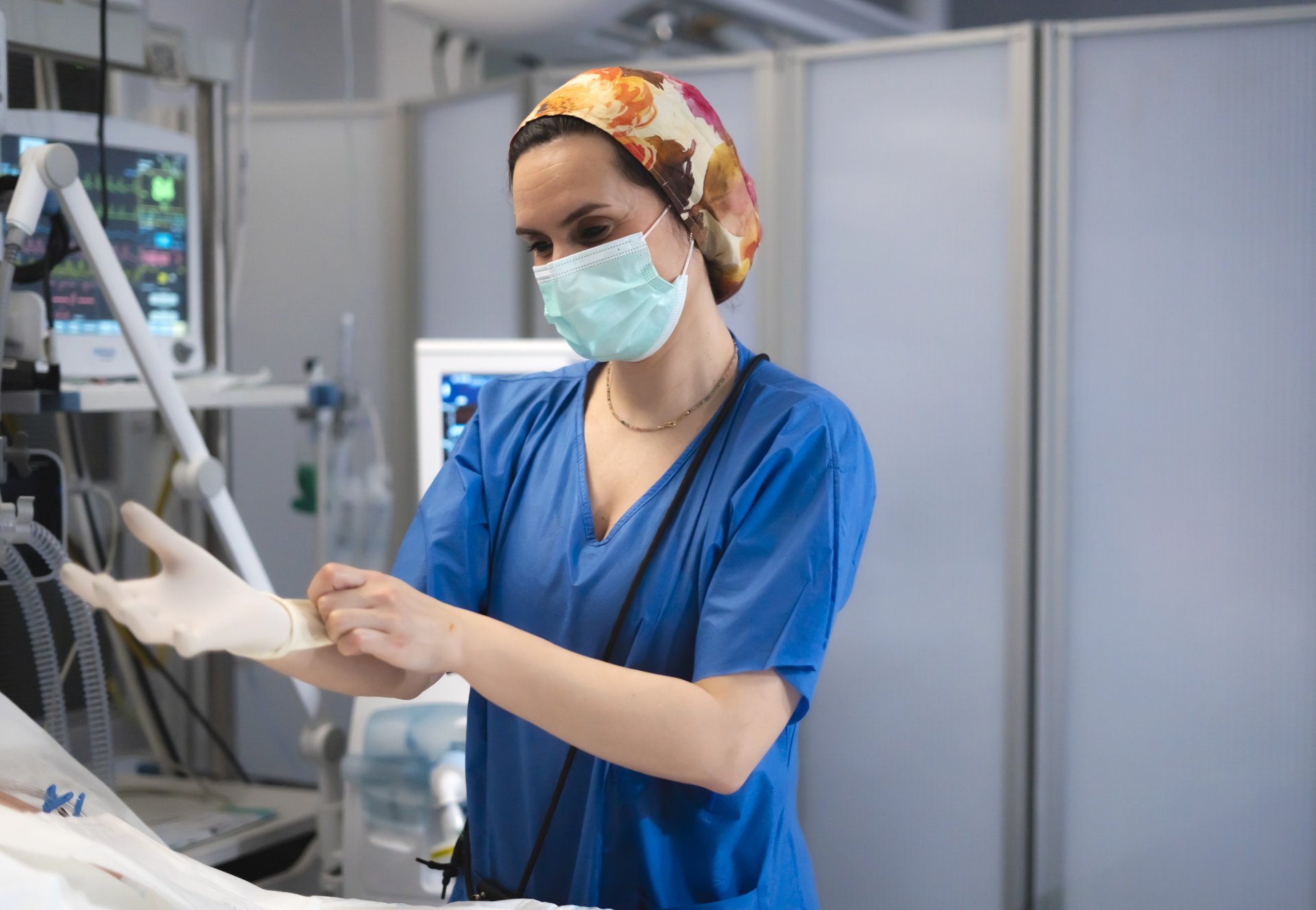
Surgical volumes continue to grow, driven by elective procedure backlogs and expanding outpatient surgery centers.
Why it’s a top career for 2026:
- Essential roles in every operating room
- Faster entry compared to many clinical careers
- Consistent demand across hospitals and surgery centers
- Strong travel opportunities for experienced techs
Best for:
Those who thrive in fast-paced, team-based environments with clear procedures.
Medical Laboratory Scientists & Technicians (MLS/MLT)
Why demand is rising:
Diagnostic testing volumes are increasing while many experienced lab professionals retire.
Why it’s a top career for 2026:
- Critical role in every healthcare facility
- High demand in rural and underserved areas
- Competitive pay and steady contract availability
- Less direct patient interaction, lower burnout risk
Best for:
Professionals who prefer behind-the-scenes impact and technical precision.
Key allied health career paths
Allied health jobs generally fall into a few clear paths based on how quickly you can enter the field and what kind of work you want to do. Some roles get you into healthcare fast and keep you close to day-to-day operations, while others require more training and focus on diagnosis or long-term patient care.
Path 1: Technician roles (lowest barrier to entry)
Often requiring certificates or associate degrees:
- Phlebotomy Technician
- Pharmacy Technician
- Surgical Technologist
- Sterile Processing Technician
- Cardiac Technician
- Patient Care Technician
Path 2: Therapist roles
Typically requiring associate to graduate-level education:
- Respiratory Therapist
- Physical Therapist / Assistant
- Occupational Therapist / Assistant
- Speech-Language Pathologist
- Mental Health Therapists
Path 3: Diagnostic and specialized roles
Growing due to technology and specialty care:
- Diagnostic Medical Sonographers
- Neurodiagnostic Technologists
- Cardiovascular Technologists
- Advanced Imaging Specialists
Why are allied health careers in demand?
Healthcare systems depend on allied health professionals of all specialties and skillsets in order to function. These roles affect how quickly patients move through imaging, surgery, treatment, and discharge. They shape staffing plans, shift coverage, and patient throughput. That is why demand stays steady even when other areas slow down.
For clinicians, allied health offers multiple paths. Some roles provide faster entry into healthcare. Others offer long term specialization, travel flexibility, or consistent schedules. The right choice depends on how you want to work, where you want to be, and how much variety you want in your career.
Heading into 2026, the need for skilled allied professionals is not going away. Facilities continue to look for people who can step in, do the work, and keep care moving. For those roles, there is work to be found.
See where your allied health career can take you
Demand is strong across imaging, respiratory, therapy, lab, and perioperative roles. If you’re ready for a change in schedule, location, or setting, now’s a good time to look. Click below to view open allied health jobs available through Prolink.