



Building a career in healthcare is all about establishing credibility and trust—not only with employers and colleagues, but with patients as well. Certification is one of the most reliable, accessible, and widely recognized ways to build that trust. It represents a deeper level of knowledge and commitment, signaling that you are serious about excellence in your field. Whether you work in nursing, imaging, laboratory science, respiratory therapy, or any allied health discipline, achieving certification can shape your opportunities, compensation, and long-term growth.
Certification vs. licensure
Licensure is what allows healthcare professionals to legally practice within their state or jurisdiction. For nurses that work in multiple states, the Nursing Licensure Compact (NLC) is also available to make life a bit easier. Your license confirms you meet the minimum standards of competence required by law. Certification, on the other hand, is typically voluntary and granted by professional organizations that assess advanced knowledge or specialized expertise in a particular area of practice.
A nurse, for example, must be licensed to work, but a Certified Critical Care Registered Nurse (CCRN) or Certified Emergency Nurse (CEN) has gone a step further to demonstrate proficiency in a specialized clinical setting. Similarly, an imaging technologist can practice with basic licensure but may pursue advanced certifications in MRI, CT, or interventional radiology to deepen their skillset.
Certification also tends to require ongoing education or renewal to stay current with evidence-based practice. In short, while licensure grants you the right to practice, certification proves your mastery and ongoing dedication to professional growth.

Why certification matters
Building credibility and professional trust
Certification enhances credibility in a way that both employers and patients recognize. It demonstrates a verified level of expertise and professionalism that goes beyond years of experience alone. The American Association of Critical-Care Nurses (AACN) notes that certification validates specialized knowledge, skills, and experience while promoting ongoing competence (AACN, 2023). In many hospitals, the percentage of certified staff is even used as a marker of clinical excellence.
For allied health professionals—such as medical technologists, respiratory therapists, or surgical techs—certification can carry equal weight. American Medical Technologists (AMT) emphasizes that professional credentials foster competency, elevate patient care, and build your reputation in the field (AMT, 2023).
Expanding career opportunities
Certification often opens doors that would otherwise remain closed. Hospitals, clinics, and research institutions frequently prefer or even require certified professionals for advanced roles or specialty units. A certified nurse may qualify for critical care or surgical positions that require advanced skills, while an imaging professional with a CT or MRI credential can move into higher-acuity diagnostic departments.
Employers see certification as evidence of initiative and competence—traits that make a candidate more appealing during hiring and promotion decisions. In a crowded job market, that distinction can be invaluable.
Increasing earning potential
Certification can also lead to higher compensation. According to the U.S. Bureau of Labor Statistics and supporting research, professionals who hold certifications earn roughly 4.8% more on average than those who do not (National Library of Medicine, 2023).
In healthcare, those numbers often climb higher. Certified nurses frequently receive pay differentials, annual bonuses, or advancement through tiered clinical ladders. Allied health professionals—such as lab technologists, respiratory therapists, and imaging specialists—often see similar incentives. Employers value certification because it correlates with stronger performance, lower error rates, and greater staff retention, making it a win-win investment.
Looking to build your career in healthcare?
Besides getting certified, one of the most effective ways to increase your earning potential and find new opportunities is working with a qualified recruiter.
At Prolink, we work with you to find the best nursing and allied health jobs that fit your life—personally, professionally, and financially.
Advancing your career and confidence
Beyond pay and job access, certification can serve as a catalyst for long-term career development. It can help you transition from bedside to leadership, or from generalist to specialist. For example, a Certified Nurse Educator (CNE) may move into academia, while a Certified Health Education Specialist (CHES) might advance into public health leadership.
Even when career advancement isn’t the immediate goal, certification can significantly boost confidence. Studies have shown that certified professionals report stronger self-assurance in clinical decision-making and communication (AACN, 2023). The process of studying, passing the exam, and maintaining ongoing education reinforces competence and a sense of professional pride.
Elevating patient care
Perhaps the most important reason to pursue certification is its impact on patient outcomes. Certified professionals tend to stay current with best practices, evolving technology, and evidence-based care. They are more likely to adhere to safety standards and quality protocols, reducing the likelihood of errors. For organizations, employing certified staff not only enhances reputation but also helps meet accreditation benchmarks and quality metrics. The ripple effect of certification extends beyond individual careers to the overall standard of care patients receive.
Real-world impact of nursing certification
Nurses have long embraced certification as a mark of excellence. From critical care and emergency to perioperative, psychiatric, or leadership roles, nursing offers dozens of certification paths through organizations like the ANCC, AACN, and ONCB.
For example, a CCRN credential can make a nurse eligible for ICU positions, while a CNOR demonstrates expertise in operating room settings. Leadership certifications, such as Nurse Executive (NE-BC), help prepare nurses for management and administrative responsibilities. Certified nurses often qualify for specialized assignments and leadership roles, and many hospitals offer financial incentives to encourage ongoing certification.
Certification across allied health professions
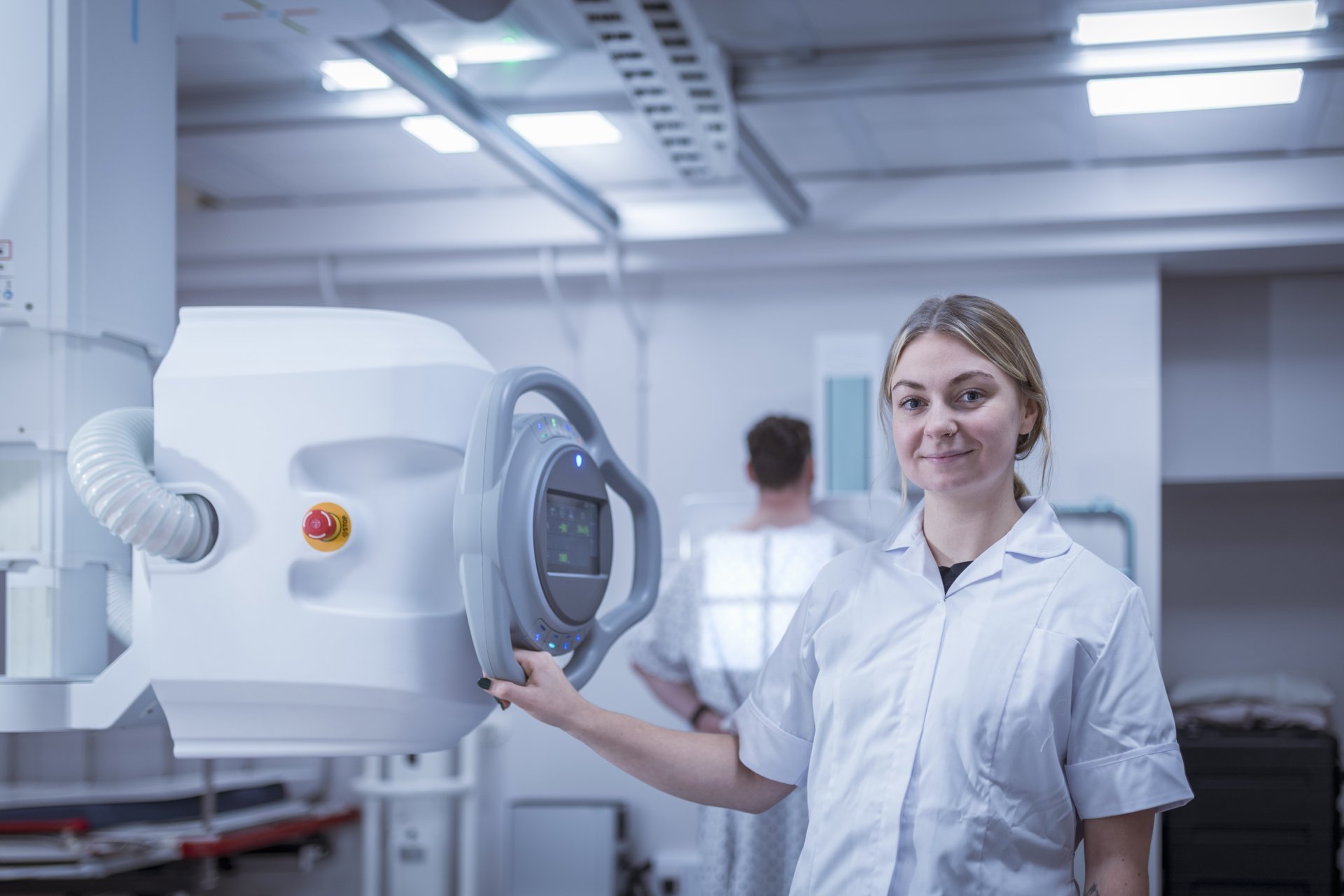
Certification is equally transformative for allied health professionals. Fields like imaging, respiratory care, laboratory science, and surgical technology offer structured pathways to advancement through credentialing.
Radiologic technologists can pursue advanced certifications in CT, MRI, mammography, or interventional procedures through the American Registry of Radiologic Technologists (ARRT). Medical laboratory technologists and technicians can achieve ASCP or AMT certifications to strengthen credibility and expand their scope. In respiratory care, the Registered Respiratory Therapist (RRT) credential represents the gold standard for advanced clinical practice. Even support roles, such as sterile processing or pharmacy technology, have respected certifications like CRCST and CPhT.
These credentials often translate into greater responsibility, autonomy, and earning potential. Employers view certification as proof that you’re committed to growth and capable of maintaining high standards of care. As a result, certified professionals are more likely to receive promotions, lead training initiatives, or move into supervisory roles.
How to get certified as a healthcare professional
For those considering certification, the first step is to align your choice with your career goals. Think about where you want to go—whether it’s bedside specialty care, leadership, education, or research—and look for credentials that fit that trajectory.
Most certification programs outline eligibility requirements based on clinical hours or prior education, so review those carefully. From there, create a study plan and seek out preparation resources such as review courses or study groups. Many employers and professional associations offer reimbursement for exam fees or continuing education, and some even provide dedicated time off for exam preparation.
After you’ve achieved certification, remember that maintenance is key. Most organizations require renewal every few years through continuing education or re-examination. Staying current ensures your knowledge evolves alongside the field—and keeps your credential active and respected.
The lasting impact of healthcare certification
Ultimately, certification is more than a line on your résumé. It’s a visible sign of dedication—to your profession, your patients, and yourself. It strengthens credibility, enhances career mobility, and contributes to the overall quality of healthcare delivery. Whether you’re a nurse earning a specialty credential or an allied health professional pursuing advanced technical certification, the process affirms your role as a lifelong learner and trusted expert.
In an industry built on trust, skill, and compassion, certification doesn’t just prove what you know, it demonstrates who you are as a professional. And in healthcare, that distinction matters more than ever.